

Direct Answer
If you prioritize on-the-ground inspection, immediate tax credits on trade-ins, in-person service and predictable local paperwork, a Washington dealership usually offers a more reliable fit. If you prioritize a no-haggle online buying flow and are comfortable managing shipping, returns, and remote inspections yourself, a national online retailer like Carvana can be convenient—but factor in transport fees, return policies, and registration timelines before you click “buy.”
Why this comparison matters for Washington drivers
Washington’s varied roads and weather—from mountain passes to rural farm routes—mean a vehicle’s mechanical condition matters more than in some other states. Beyond driving conditions, state-specific sales tax, registration practices, and consumer protections affect the overall cost and the hassle level after purchase. This guide breaks down the key differences between buying from a local dealer and using a national online seller so you can pick the option that matches your priorities.
Head-to-head: Pricing and transport fees
Online sellers typically advertise single, no-haggle prices that look attractive at first glance. Remember that national platforms often keep inventory in regional hubs and charge transport or delivery fees to bring a vehicle to Washington. Those shipping costs can range from several hundred to over a thousand dollars, and in many cases are non-refundable if you return the car. Local dealerships price vehicles for the Washington market and do not add cross-country transport charges to your invoice. A local dealer also calculates the precise sales tax for your address at the time of sale by using the Washington Department of Revenue tax lookup, which reduces surprises on your final paperwork.
How inspections differ: digital checklists vs. hands-on evaluation
National platforms rely on standardized multi-point checklists, high-resolution photos, and sometimes video to represent a vehicle remotely. These tools are useful but can miss localized issues—minor rust from salted roads, undercarriage wear, or subtle interior odors—that are easier to spot in person. A local dealership allows you to lift the hood, test brakes on familiar roads, and verify condition directly before signing a contract.
Trade-ins and immediate tax benefits
When you trade in with an online platform, valuations are often generated by algorithms based on the information you submit. Those offers can change after a physical inspection or upon delivery. Local dealers use on-site appraisers who can factor in care, aftermarket upgrades, or new tires during an in-person evaluation. Importantly for Washington buyers, a local dealer can apply the trade-in tax credit at sale to lower the net taxable amount on your new purchase immediately, which may save you several hundred dollars in state sales tax right on the sales floor.
Financing: automated online offers vs. dealer finance teams
Online lenders integrated into national platforms streamline the loan process but depend on automated underwriting and captive lending networks, which may not always produce the lowest APR for every buyer. Local dealerships maintain finance departments that can present loan options from multiple sources—national banks, manufacturer captive lenders, and regional credit unions. Working with an experienced finance manager lets you shop your file across lenders and can create competitive pressure that sometimes lowers rates or produces more flexible terms. For reference, see a typical auto financing team workflow.
Post-sale support and service access
If a problem appears after purchase—imagine a check-engine light three weeks later—national online sellers typically route you through centralized customer service and approved third-party shops. That process can be slower and more remote. A local dealer offers a nearby service center, face-to-face service managers, factory-certified technicians, and direct warranty handling within your community.
Washington consumer protections and warranties
State law matters. The Washington State Attorney General Lemon Law focuses on new-vehicle defects and vehicles under original manufacturer warranties. Most used cars are sold “as-is,” so buying sight-unseen online places more responsibility on the buyer unless you purchase a certified pre-owned vehicle or an extended protection plan. Local dealers often stock factory-certified pre-owned inventory that adds warranty coverage and reduces the risk of immediate post-sale defects.
Common buying mistakes Washington shoppers make
- Assuming a short return window equals a full mechanical inspection: a 7-day or similar policy is not a substitute for a professional, pre-purchase check.
- Overlooking transport and non-refundable shipping fees when comparing advertised prices.
- Failing to confirm how an out-of-state seller will handle Washington DOL paperwork; delayed titles and temporary tags are a real friction point.
Actionable checklist for Washington buyers
- Get any remote offer in writing, including all fees (transport, delivery, and return policy specifics).
- Ask how a trade-in tax credit will be applied and whether it reduces the taxable amount at sale.
- Schedule a local independent inspection if buying sight-unseen; confirm who pays for it and how returns are handled.
- Confirm DOL/title handling and expected timelines for permanent plates before finalizing the purchase.
Recommendations by buyer priority
- If you want predictable paperwork, in-person service, and immediate tax advantages: Prefer a local Washington dealer.
- If you value a streamlined online purchase and don’t mind managing shipment and remote inspections: A national platform like Carvana can work—just factor in transport fees and possible return costs.
Frequently Asked Questions
Q: What happens to my Washington sales tax if I return an online vehicle?
A: When you cancel a purchase within an online seller’s return window, the sale is usually reversed and the state sales tax is refunded. However, delivery or transport fees charged to move the vehicle to Washington are often non-refundable under the seller’s policy, so you’ll typically lose that portion even when the tax is returned.
Q: Do local dealerships offer no-haggle pricing like online platforms?
A: Yes—many dealerships now use transparent, market-based pricing models that remove aggressive negotiation. These approaches let you buy with predictable pricing while still providing the benefits of a physical location, such as in-person inspections and on-site service.
Q: Will an online valuation for my trade-in change after delivery?
A: It can. Online trade-in offers are commonly based on the details you enter. If an in-person inspection uncovers discrepancies in condition, mileage, or undisclosed damage, the final valuation may be adjusted. That’s why documenting maintenance and being transparent about condition helps preserve your online quote.
Q: How do out-of-state sellers handle Washington registration and plates?
A: Procedures vary. Some national sellers submit DOL paperwork on your behalf, while others provide temporary tags and require you to finish registration locally. Delays can occur with out-of-state title transfers, so confirm the exact process and expected timeline before purchase to avoid expired temporary tags or registration headaches.
Ready to shop locally? Visit Speck Dealerships to see in-person inventory and financing options, or browse their online listings. For a side-by-side look at online versus dealer buying, watch this Carvana vs. Dealership comparison video.
Related reading on blingspark.com: Complete Car Buying Checklist for Washington Shoppers 2026; New or Used Car: What Washington State Drivers Should Know.
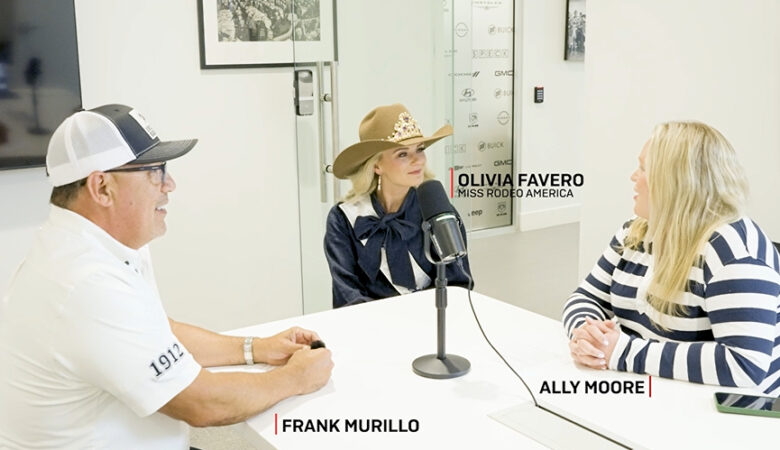


Pingback: What Made Olivia Favero's Tri-Cities Visit Special?