
Direct Answer
Yes. Practicing difficult conversations with role-play gives service advisors a safe way to rehearse de-escalation, sharpen objection responses, and keep emotions from undermining repair orders or profitability.

When advisors practice weekly with real-time coaching, they develop the vocal tone, phrasing, and diagnostic question patterns that stop escalation, reduce admin delays, and preserve shop labor rates.
Why this matters now
Service counters regularly see customers upset about surprise repair costs, delayed parts, or repeat problems. If advisors respond defensively or panic-discount, departments can lose revenue and customer trust. Role-play builds predictable habits so advisors react with calm, clear, and value-focused language instead of improvising under stress.
Key takeaways
- Safe practice environment: Role-play lets staff make mistakes and learn without costing the dealership money or goodwill.
- Stronger emotional control: Repetition desensitizes advisors to pressure and helps them keep composure during heated conversations.
- Clearer technical communication: Advisors rehearse explaining multi-point inspection findings and labor charges in plain language.
- Smoother shop workflow: Better intake conversations reduce back-and-forth diagnostic work for technicians.
- Profit protection: Confident, consistent presentations lower the chance of unnecessary discounts that erode effective labor rates.
How role-playing builds practical counter skills
Live role-play focuses on performing under the same pressures advisors face daily: vocal tone, pacing, eye contact, and real-time responses to objections. Unlike a printed script, role-play forces advisors to deliver language aloud, practice pauses, and receive immediate correction on defensive phrasing or body language.
Common scenarios to rehearse
- Price shock: Breaking down a complex estimate so the customer understands parts, labor, and why service is needed.
- Delayed completion: Proactively explaining extended repair timelines or parts hold-ups before the customer becomes upset.
- Repeat complaint: Handling a return visit where the original repair did not resolve the reported symptom.
Training formats compared
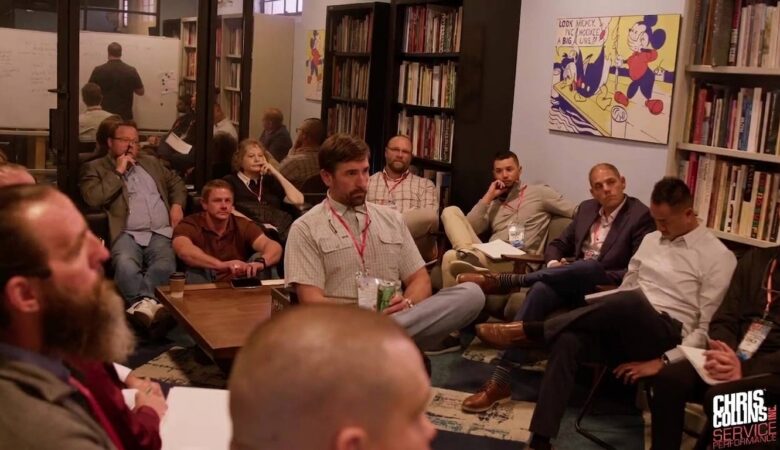
For an example of visual role-play sessions and fixed operations training, see the Chris Collins Inc YouTube Channel. Leaders evaluating weekly, interactive coaching can review SDR Live Academy to see how modules fit into a service drive routine.
Role-play’s impact on technician productivity
Concise, specific intake notes remove ambiguity for technicians. When advisors practice targeted questioning and walkarounds, shop staff spend more time diagnosing and repairing and less time chasing vague complaints.
Given the increasing specialization of automotive repair, clear intake is essential. See employment and occupational data from the U.S. Bureau of Labor Statistics for context on technician skills and labor market trends.
How role-play helps protect effective labor rates
One common failure mode on the drive is panic discounting. Advisors who feel attacked or unsure often offer cuts rather than defend the value of the work. Role-play addresses that by drilling confident value statements and structured explanations that justify labor and parts pricing.
Two frequent advisor traps role-play addresses
- Panic Discounting: Giving away labor margin to stop a confrontation instead of showing why the charge is fair.
- Lumping Labor and Parts: Quoting a single total without explaining the itemized findings that led to the price.
Through repeated practice, advisors learn to present recommendations around technician expertise, diagnostic tools, and safety considerations—language that helps customers accept necessary repairs without pushing for unnecessary discounts.
For additional management materials, advisor scripts, and fixed ops benchmarking, visit the Chris Collins Inc Blog.
Frequently asked questions
How does role-playing help advisors stay calm with angry customers?
Role-playing recreates the stress of a real complaint in a controlled setting so advisors become familiar with the sensation and learn responses that keep conversations productive. Repetition makes de-escalation techniques automatic, reducing the chance that an advisor will take criticism personally or react emotionally when a real customer arrives.
How often should service advisors practice role-playing?
Weekly sessions are generally recommended: they reinforce language patterns, allow the team to work through recent real-life objections, and give coaches a regular opportunity to correct habits before they reappear on the drive.
Can role-playing help increase customer pay sales?
Yes. Practiced presentations and objection handling increase the likelihood customers understand and accept necessary repairs. When advisors clearly explain value and answer price concerns confidently, departments see fewer unnecessary discounts and higher customer-paid work.
Bottom line and next steps
Replacing ad-lib responses with practiced scripts and coached delivery reduces conflict, speeds diagnostics, and helps maintain department margins. If your fixed ops team is struggling with price pushback or unclear write-ups, consider implementing short, weekly role-play sessions or evaluating a program like SDR Live Academy to build consistent counter performance.
Related reading on blingspark.com: Why Dealerships Are Facing a Skilled Technician Shortage; Car Marketing: Smart Digital Strategies to Increase Sales.